
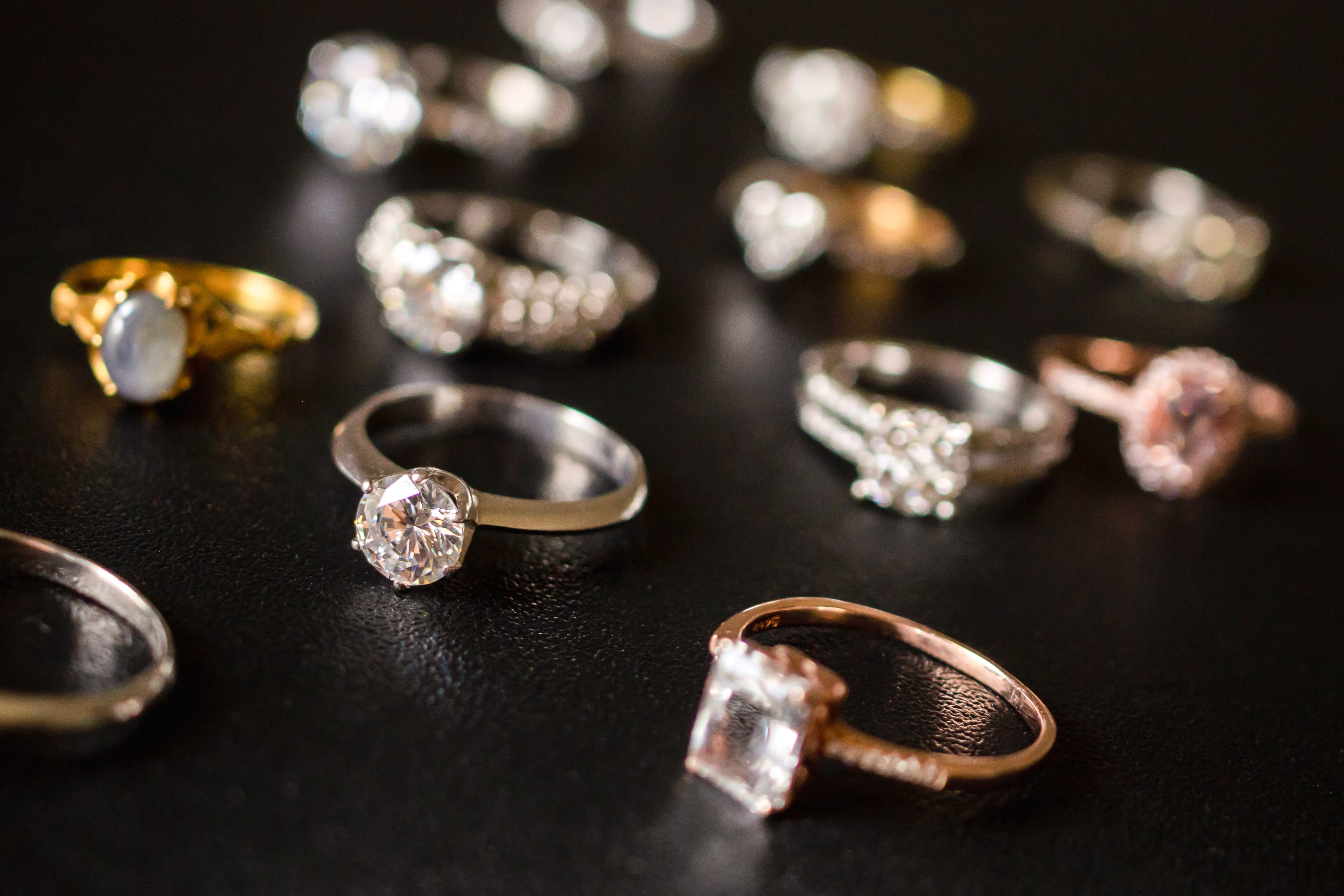
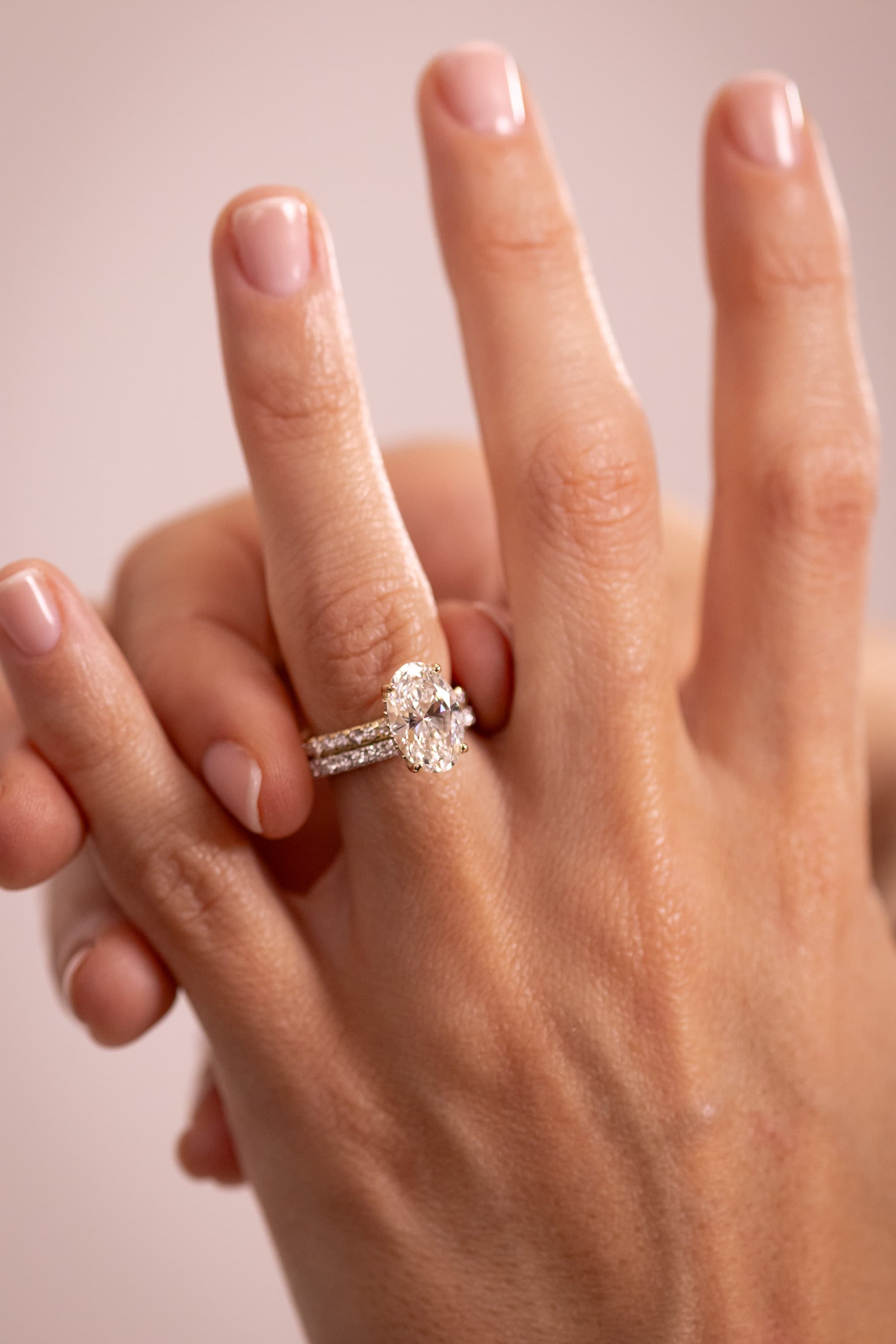
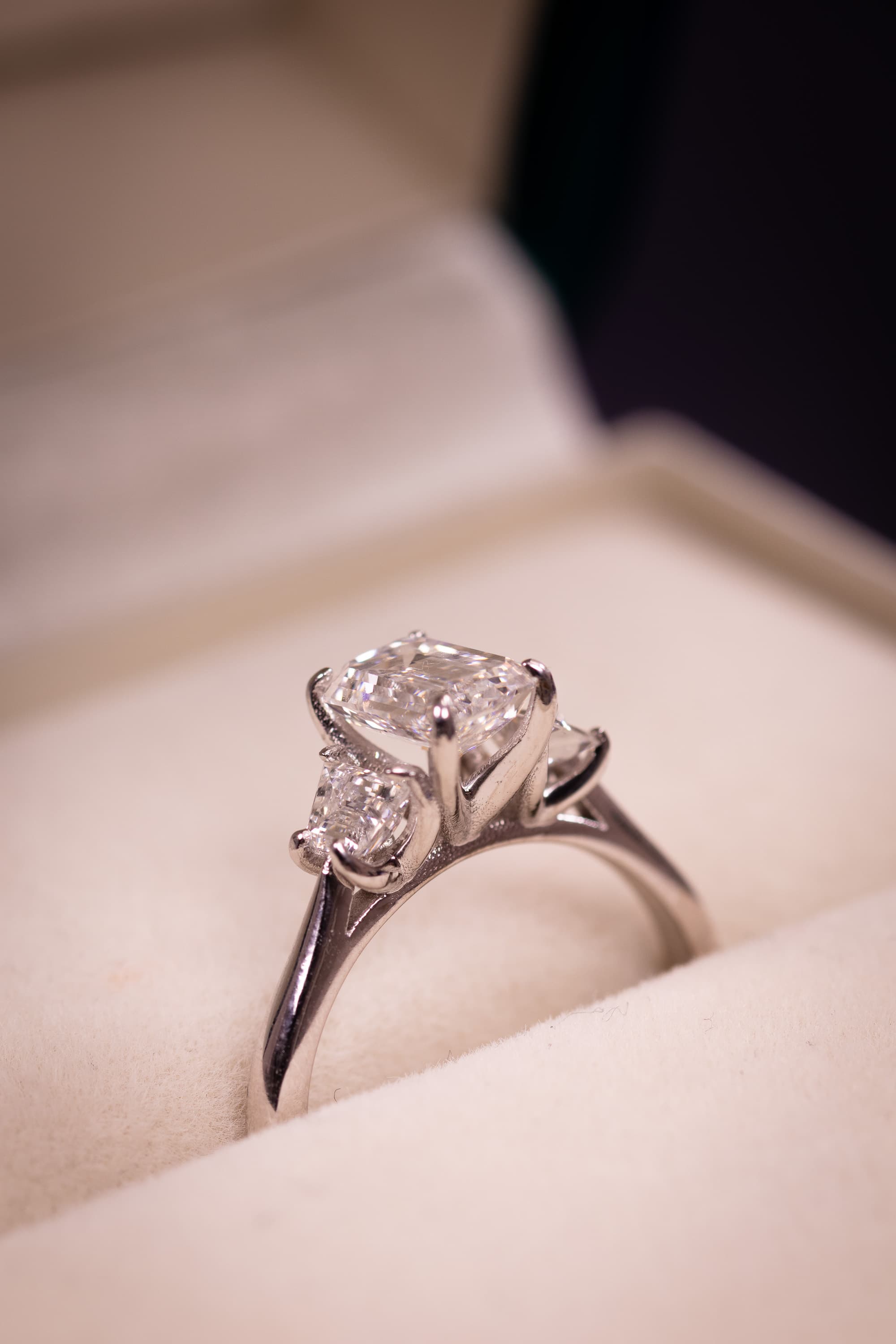
The most popular engagement ring designs in Australia in 2026 are the solitaire, hidden halo, halo, three-stone, vintage-inspired, bezel, toi et moi, east-west and cathedral settings — most now built around a lab-grown centre stone. At Savoir-Faire Jewellery, our Melbourne atelier makes every one of these to order, so this guide skips the dictionary definitions (our Engagement Ring Styles guide covers those) and answers the harder question: which style actually suits your partner, your budget and the way they use their hands?
Style and shape are two different decisions. This article is about the setting — the way the stone is held and the ring is built. If you are still deciding between an oval, a round or an emerald, start with how to choose the perfect shape for your partner and come back. One line to carry through everything below: the prettiest style on a screen is not always the one that survives ten years of daily wear. Every setting trades something, and knowing the trade is how you avoid regret.
What actually decides the right style
Popularity is a starting point, not a recommendation. Three practical filters matter more than any trend list:
- Lifestyle and hands. Hands-on work, the gym, gardening or healthcare push you toward protected, low-profile settings and away from tall, snag-prone ones.
- Maintenance appetite. Every prong setting needs periodic tightening, and some styles need it more often than others. Be honest about whether the ring will ever see a workshop.
- Resize risk. If a future size change is likely — weight change, pregnancy, joint changes — some styles resize cleanly and some do not.
| Style | Best suits | Daily-wear note |
|---|---|---|
| Solitaire | Anyone; first-time buyers | Easy to clean and resize |
| Hidden halo | Wants sparkle, clean top view | Slightly trickier to resize |
| Halo | Maximum size for the money | Accent stones need checks |
| Three-stone | Meaning-led buyers | Side stones need prong checks |
| Vintage-inspired | Lovers of detail and history | Fine detail collects grime |
| Bezel | Active hands, low upkeep | Most secure; harder to resize |
| Toi et moi | Wants something personal | Two stones, two sets of prongs |
| East-west | Design-forward wearers | Prongs loosen faster; 6-monthly checks |
| Cathedral | Wants height and presence | Snags more; needs regular cleaning |
| Chunky gold | Modern, bold look | Heavy = costly at today's gold prices |
Solitaire: still the one to beat
The solitaire is the default for good reason: a single stone, clean lines, all the focus on the centre. It stays the most-chosen style in Australia because it is the most flexible — it works with every shape, pairs with a slim or a chunky band, and is the easiest setting to clean and to resize.
Who it suits: almost anyone, and especially first-time buyers who want a safe, timeless choice they will not tire of. Design notes: a fine band gives a delicate, floating look; a knife-edge band adds quiet character. Four prongs read modern and show more of the stone; six prongs read traditional and hold more securely. If your partner works with their hands, a lower-set solitaire on a slightly heavier band takes knocks far better than a tall, thin one.
Hidden halo vs full halo: the sparkle question
Both use a ring of small accent diamonds to add brilliance, but they do it differently. A full halo encircles the centre stone visibly from above, making it look bigger and brighter — the go-to for the most perceived size per dollar; browse our halo collection to compare the two side by side. A hidden halo tucks that ring of pave underneath the stone, invisible from the top and only catching light from the side, so the top-down outline stays clean.
The practical difference buyers miss: a hidden halo uses fewer accent stones and less metal, so it is typically cheaper than a comparable full halo. But because its diamonds sit close to the shank and basket — exactly where a jeweller cuts to resize — it can be marginally trickier and costlier to resize later. If a future size change is likely, factor that in, and use our ring size finder before you commit. Who each suits: full halo for someone who wants all-out sparkle and size; hidden halo for someone who wants a crisp silhouette with a flash of light from the side. Both flatter ovals, cushions and pears especially.
Three-stone: meaning with presence
Three stones, one narrative — past, present and future. It is the style people choose when they want the ring to say something, and it gives lovely finger coverage without the fuss of many small stones. Side stones can be matched (two rounds, two pears) or contrasted (tapered baguettes, trapezoids) for a custom look.
Wearability note: the meaning is the draw, but remember it is a multi-stone ring — the two side stones have their own prongs that need their own periodic checks, the same as any accent setting. Who it suits: buyers led by symbolism, and anyone who wants more sparkle than a plain solitaire without going full halo.
Vintage-inspired: detail for detail-lovers
Milgrain beading, filigree scrollwork, hand-engraving and decorative under-galleries — vintage-inspired rings reward a close look. They pair beautifully with old-world cuts; if that appeals, read our guide to the old mine cut. Some of the most personal versions we make use an heirloom stone reset into a new design — see resetting family diamonds.
Wearability note: all that fine detail is exactly where dirt, lotion and skin oils collect, so vintage styles need more regular cleaning to keep their sparkle — our jewellery care guide covers the routine. Who it suits: people drawn to romance and craftsmanship over minimalism.
Bezel: the toughest setting, with a real trade-off
A bezel wraps a rim of metal fully or partly around the stone. It is the most secure setting we make and the lowest-maintenance — a well-made bezel can run ten to fifteen years without the retipping and tightening that prongs need — which makes it the smart pick for hands-on lifestyles, healthcare workers and anyone who never wants to think about their ring.
The honest trade-off: a bezel is not pure upside. Because metal blocks the sides of the stone, it lets in roughly 10 to 20 per cent less light than prongs, so the diamond reads a touch less brilliant. It uses more metal and more labour, so it costs more upfront; it is harder to clean under the rim; and it is more involved to resize. If protection and low upkeep matter most, those are trades worth making — just make them knowingly.
Toi et moi: the trend piece
French for "you and me," a toi et moi sets two stones side by side, often in two different shapes or gems — an oval and a pear, a diamond and a sapphire. It carries real history: Napoleon's 1796 proposal ring to Josephine was a toi et moi of a sapphire and a diamond pear. It is one of the most-searched and most-saved styles heading into 2026; the strongest search-growth figures circulating (around a 40 per cent year-on-year rise) are UK data, so treat them as direction rather than an Australian statistic — but the momentum here is real too.
Who it suits: buyers who want something unmistakably personal and are comfortable with an asymmetric, statement look. Wearability note: two stones means two settings and two sets of prongs to keep an eye on, and pairing a diamond with a softer gem such as a sapphire or emerald means the stones have different hardness — worth knowing for a ring worn every day.
East-west: the one with a hidden maintenance cost
An east-west setting lays an elongated stone — oval, marquise, pear or emerald — sideways across the finger instead of pointing up it. It looks modern and unexpected, and it can make a finger appear longer. But it comes with a genuine, specific maintenance need most guides skip.
The gotcha: setting a stone horizontally puts more lateral (sideways) force on the prongs than a vertical setting, so they loosen faster. The realistic ask is a prong check every six months, and pairing east-west with a bezel or half-bezel meaningfully improves security for everyday wear. Choose it for the look with open eyes, not as a set-and-forget setting. Who it suits: design-forward wearers who like an unconventional silhouette and will keep up the checks.
Cathedral: height and presence
A cathedral setting rises in arches from the band to cradle the stone, lifting it for a fuller look and adding structural support. It usually seats a straight wedding band flush against it, which makes it a strong choice if you want a neat bridal stack — see the wedding ring guide for pairing.
The trade-off: the raised basket sits higher, so it snags on clothing and hair more readily and collects dirt and lotion underneath, which means more frequent cleaning. Expect it to cost modestly more than a plain prong setting — typically in the low hundreds of dollars — for the extra metal and work. Who it suits: people who want visible height and presence and do not mind a little more upkeep.
Chunky gold: on trend, but mind the gold price
Bold, domed gold bands — often 18k yellow gold paired with an oval or elongated cushion — are genuinely trending in Australian boutiques through 2026. The catch is timing: gold is near record levels, sitting around AUD $184 to $190 per gram for 24k in mid-2026, so a chunky solid-gold band means materially more metal at a materially higher price. Our blog on rising gold prices goes deeper.
The practical path: if you love the look but not the weight in dollars, ask about 9k or 10k gold, or an engineered hollow-core profile — both give the chunky proportions without the full solid-18k gold weight. Gold vs platinum covers how the metals compare on cost and durability. Who it suits: modern, fashion-led wearers who want a substantial band and will make the metal choice with the price in mind.
Lab-grown luxury: the shift behind all of it
Not a setting, but the biggest change in the market — and the reason so many of these styles have become reachable. Lab-grown diamonds now cost a fraction of natural equivalents (a 1ct G/VS2 round runs roughly AUD $1,200 to $2,000 lab-grown versus $7,000 to $9,000 natural), which lets couples put the budget into a bigger or better centre stone, a more elaborate setting, or both. At Savoir-Faire we can supply either, but lab-grown is our default recommendation and it is now the choice for most Australian buyers — an informed choice, not a compromise. Start with what a lab-grown diamond is and why couples are choosing bigger stones.
Two things changed in 2025-26. First, lab-grown prices have stabilised — the steep annual drops of 2023 to 2025 have largely ended for premium specs, so do not buy expecting prices to keep falling every year. Second, and important for paperwork: since 1 October 2025, GIA no longer prints specific 4Cs on lab-grown reports, issuing only "Premium" or "Standard." If you want to compare an exact colour and clarity spec, look for an IGI report, which still issues the full 4Cs — our certificates explained post breaks this down.
Common questions
What is the most popular engagement ring style in Australia?
The solitaire remains the most-chosen setting for its simplicity and flexibility, with the hidden halo close behind. Toi et moi is the fastest-rising style heading into 2026, and most rings across every style now use a lab-grown centre stone.
Which engagement ring setting is most durable for an active lifestyle?
A bezel, because a rim of metal protects the stone and it needs far less maintenance than prongs. The trade-off is slightly less brilliance and a higher upfront cost. A low-set solitaire on a sturdy band is the next-best option.
Is a hidden halo cheaper than a full halo?
Usually yes — a hidden halo uses fewer accent stones and less metal. The catch is resizing: its diamonds sit near the shank and basket, so future size changes can be a little trickier and costlier than with a standard setting.
Does an east-west ring need extra care?
Yes. Setting the stone sideways puts more lateral force on the prongs, so they loosen faster than in a vertical setting. Plan on a prong check every six months, and consider a bezel or half-bezel for extra security on a daily-wear ring.
Do GIA lab-grown certificates still show colour and clarity grades?
No. Since 1 October 2025 GIA reports lab-grown diamonds only as "Premium" or "Standard," not with specific 4Cs letters. IGI still issues full colour and clarity grades, which is why it is the better choice if you want to compare exact specs.
Should I choose the diamond shape or the ring style first?
Shape first, usually — it sets the ring's whole silhouette — then choose a setting that flatters that shape and suits daily wear. Our shape guide walks through it, and our team can match the two with you in a consultation.
The best style is the one that fits your partner's hands, taste and life — not the one topping a trend list. When you are ready, book a consultation with our Melbourne atelier, browse our engagement rings to see each setting in the metal, or let our Stone Concierge source a stone to your exact spec. Every ring is backed by our lifetime warranty and a complimentary resize within twelve months.