
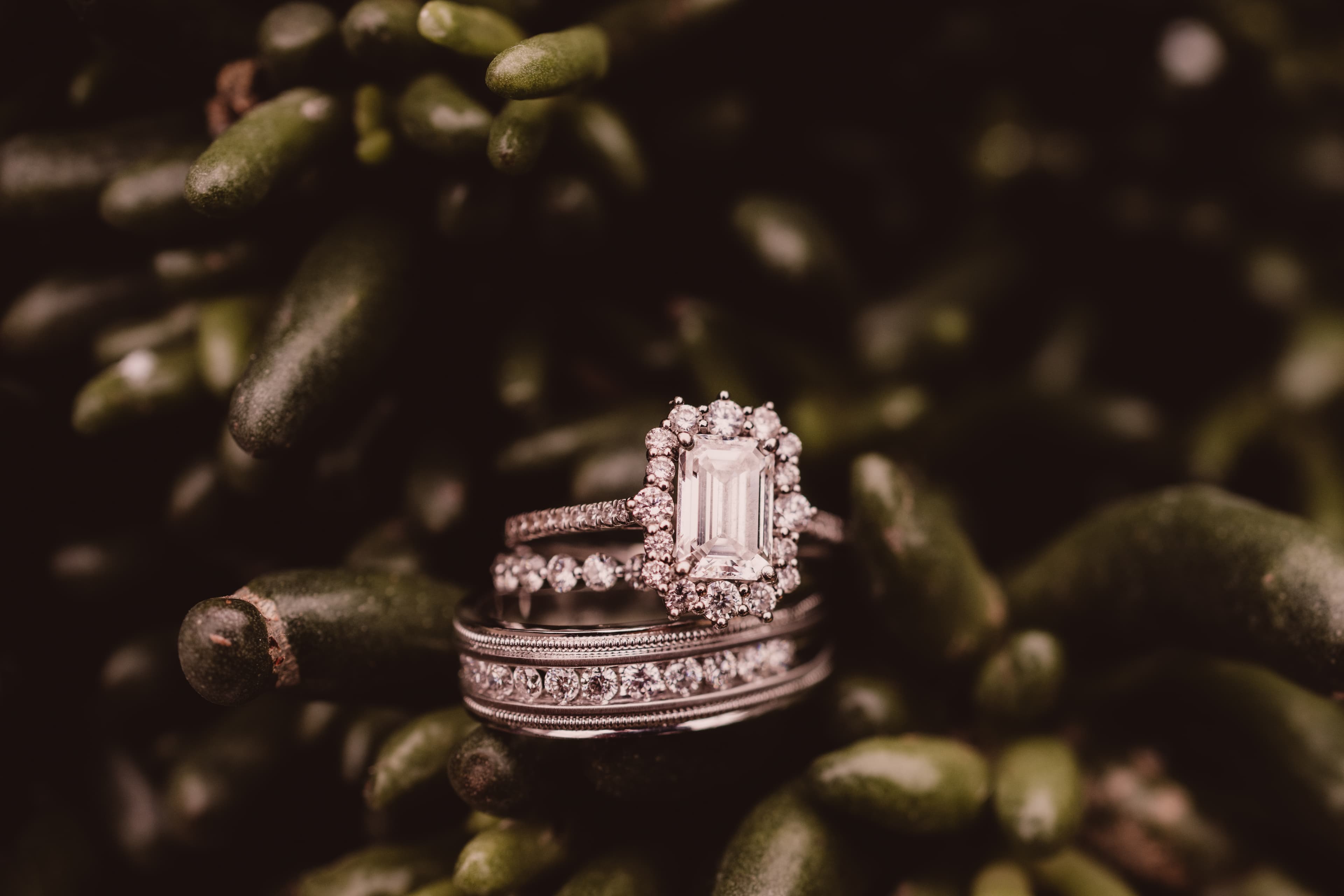
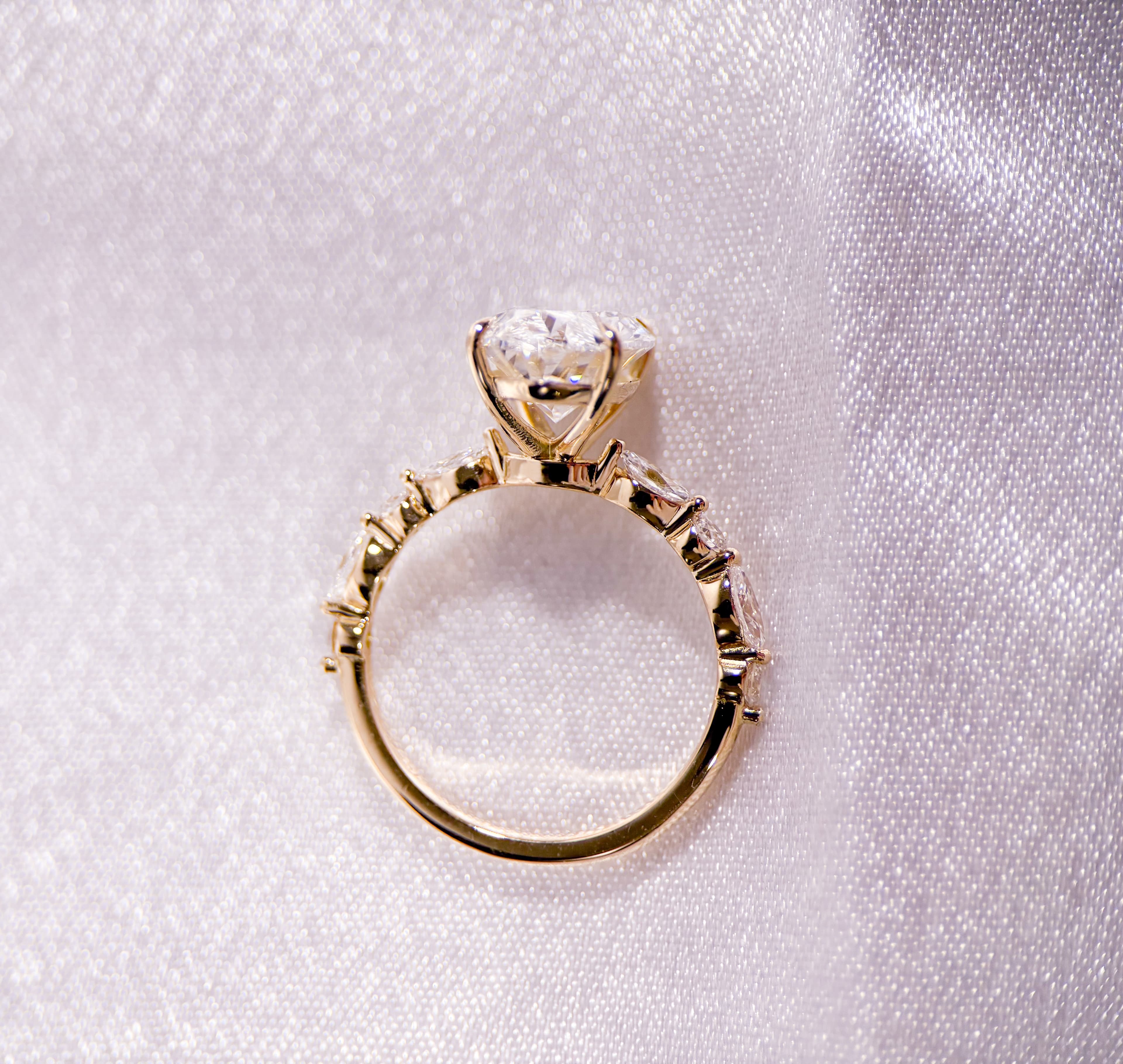
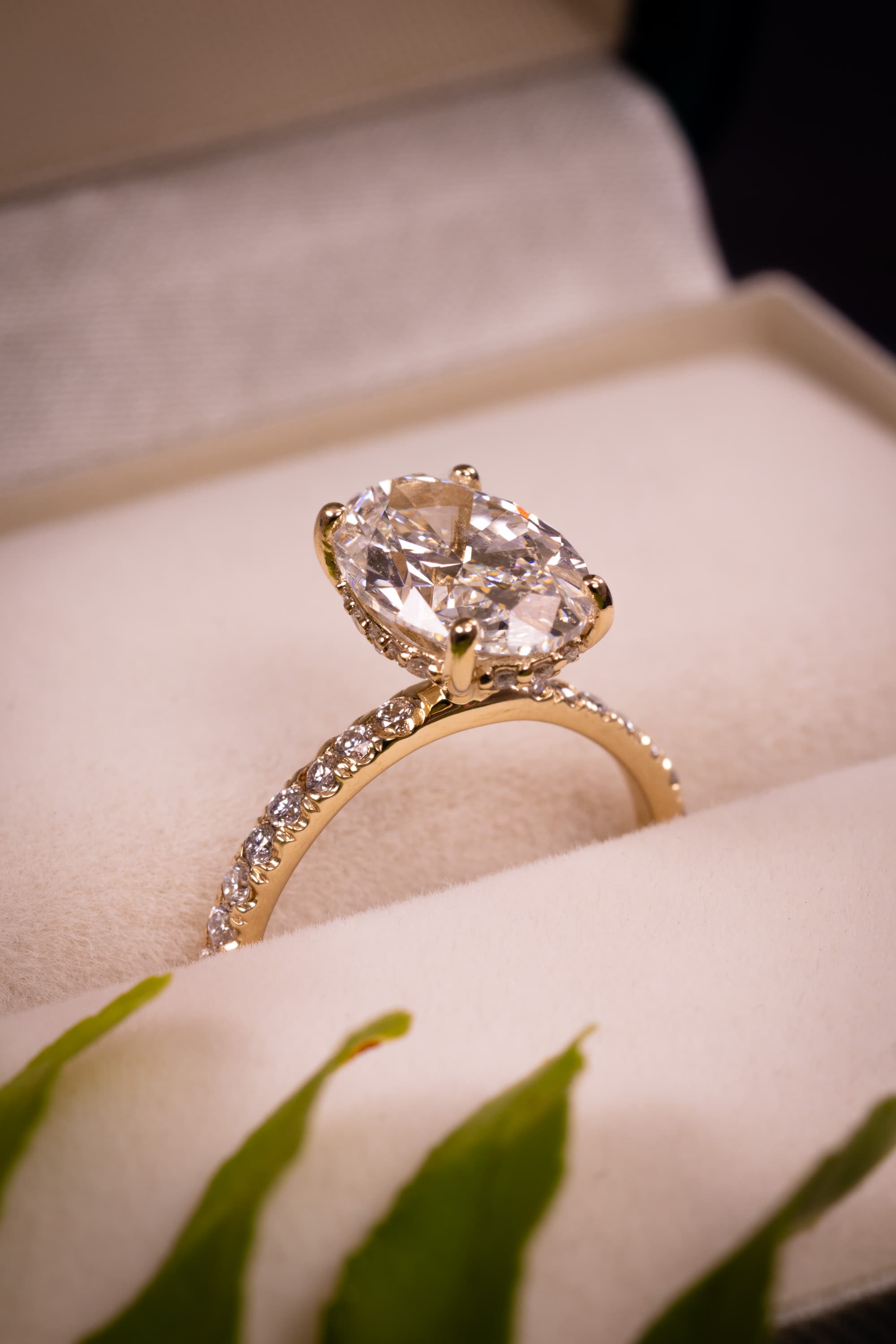
Resetting an heirloom diamond means keeping the inherited stone — the part that carries the family history — and moving it out of its old, worn or dated mount into a new setting built for how you actually live. The diamond stays; the metal, the design and the safety are what change. At Savoir-Faire Jewellery, our Melbourne atelier does this work regularly, and the single most useful thing we can tell you is that the order of operations matters more than the design you eventually choose. Document and verify the stone first, decide on the look second. Get that sequence wrong and you can quietly lose value, provenance, or a dispute you didn't see coming.
Why reset at all?
There are three honest reasons, and it helps to be clear about which one is driving you.
- Sentiment. The emotional asset is the stone, not the setting. A dated 1970s mount or a thin worn band can go without losing anything that actually connects you to the person you inherited it from — the diamond carries the story.
- Wearability and safety. Old settings are frequently decades past safe daily wear: thinned prongs, worn shanks, low-set stones, soldered-over repairs. Worn or loosened prongs are the most common cause of stone loss. If you want to wear an heirloom every day rather than keep it in a drawer, the mount usually has to be rebuilt regardless of style.
- Sustainability. Reusing a stone you already own carries zero new mining footprint. It is the strongest, least-disputable sustainability claim in jewellery — cleaner than "recycled gold," which has become a common and far less differentiating line in the Australian market. If a low-impact ring matters to you, an heirloom reset beats almost anything new. Our wider ethical and sustainable ring checklist puts this in context.
Do this first: document before you touch anything
This is the part most people skip, and it is the part that protects you. Old stones commonly carry damage that is invisible to the naked eye — culet chips, girdle nicks, small fractures from decades of wear — that only shows under a loupe or microscope. If that damage isn't recorded before work begins, it can later be blamed on your new jeweller, and you'll have no way to prove otherwise. Independent documentation also protects the stone's provenance value and your insurance claim if anything goes wrong.
| Step | What to do | Why it matters |
|---|---|---|
| 1. Inspect | Examine the stone under magnification for culet chips, girdle nicks and fractures | Finds hidden damage so it isn't later blamed on the new setter |
| 2. Photograph | Photograph the stone and its original setting as-is | Creates a dated record of pre-existing condition |
| 3. Appraise | Get an independent written valuation (typically AUD $150–$300) | Establishes value and description before anything is altered |
| 4. Consult | Only now discuss design and setting | Design rests on verified facts, not assumptions |
Keep the old grading report and valuation alongside the new ones — together they form the provenance trail. On insurance: the standard Australian term is Retail Replacement for Insurance Purposes, which is the cost to replace the piece today, not its resale value. A reset changes the insured description and often the value, so the valuation has to be updated afterwards. A stale valuation is one of the most common causes of under-insurance at claim time; typical Australian cover runs roughly 1–3% of appraised value per year.
The recut trap
If your heirloom is an antique cut — an old mine cut or old European cut — the most important decision you'll face is whether to recut it. Our advice is almost always: don't, unless a specialist you trust makes an airtight case per stone.
A full recut of an intact old mine or old European cut into a modern round typically strips 15–40% of carat weight (commonly around 20–30% for a routine correction). A 2.00ct old mine cut can finish around 1.40–1.70ct. Worse, recutting is irreversible: it erases the facet pattern, the historical wear and the cutting-era tells that authenticate the stone as genuinely antique — the very features collectors and specialist dealers pay a premium for. Our complete guide to the old mine cut explains why that character is worth protecting.
Two nuances people get wrong in both directions:
- Weight loss is not automatically value loss. A materially better cut grade raises per-carat value, so total value can hold or even rise despite a lighter stone. But this is stone- and market-dependent, especially for larger or rarer antiques — treat "the recut pays for itself" as a claim to verify per stone, never a rule.
- A "no cut grade" report is normal, not a red flag. GIA does not assign its Excellent–Poor cut grade to old European or old mine cuts — that scale is only for modern round brilliants, and antique proportions would score Fair or Poor on it even on a fine period stone. Fair-to-Good symmetry and polish notes are expected for these cuts. Don't let a "no cut grade" or "Fair symmetry" note be used to justify an unnecessary recut. If certificates confuse you, our guide to diamond certificates unpacks the terms.
Because the jeweller who sells you the recut and the reset also profits from it, get a second opinion from an independent antique-diamond specialist before agreeing to any recut. The incentive structure can quietly bias the recommendation.
Design options that honour the stone
Once the stone is verified and safe, the design is the enjoyable part. These are the routes we see most, and none of them require touching the diamond itself.
| Option | What it does | Best when |
|---|---|---|
| Solitaire | Lets the antique cut stand alone | You want its soft, warm light to be the whole story |
| Halo | Rings the centre with small stones for size and sparkle | You want more presence without a larger centre |
| Three-stone | Adds two side stones to the heirloom centre | You want to mark a partner or children symbolically |
| Mixed-metal / hybrid | Keeps period detail; updates the shank to platinum or 18ct gold | The old metal is worn but the millegrain or filigree is worth saving |
| Combined stones | Merges diamonds from several pieces into one design | You're consolidating multiple inheritances |
A modern-vintage hybrid is often the sweet spot: preserve the period detailing you love, but rebuild the shank in a durable metal for daily wear — see our gold vs platinum guide for how those metals wear. If you're adding side or accent stones — as in a three-stone design — they don't have to be another inheritance. Halo and three-stone melee is increasingly lab-grown for cost reasons, which we generally recommend — a like-for-like new natural melee run is dearer for no visible gain. One firm rule: under Australian Consumer Law, origin must be clearly disclosed, so a lab-grown accent must be described as a "lab-grown diamond" on the valuation and receipt, never left to sit silently beside a natural heirloom centre as just "diamond." For inspiration across settings, browse our engagement ring styles guide. If you need a matching stone we don't stock, our Stone Concierge can source one to spec.
Settings that protect a fragile old cut
Antique cuts have high crowns, small tables and often a culet — a point at the base that chips easily if it's left exposed or held by thin, poorly fitted claws. This is where the setter's experience matters more than the style name.
- A competent bezel or a well-engineered prong setting with secure bearing points protects the culet and girdle. Thin claws or an exposed culet raise chip risk.
- Deep pavé or channel settings that need aggressive stone-seat cutting can stress an already-worn girdle — approach with caution on an old stone.
- Choose a jeweller who sets antique cuts routinely, not one who mainly does modern melee work. The familiarity is the safeguard.
After the reset: insurance and care
Update your insurance valuation to reflect the new piece — the description and value have changed. Keep the old and new reports together as provenance. Then treat the ring like the daily-wear object it now is: periodic prong checks catch the loosening that causes stone loss long before it happens. Our jewellery care guide covers the maintenance routine, and every Savoir-Faire piece carries a lifetime warranty with Australian-workshop aftercare.
Common questions
Will resetting my diamond reduce its value?
Resetting the stone into a new mount does not reduce the diamond's value — you're keeping the stone. Recutting the diamond is the risky move, because that removes weight and antique character permanently. A straightforward reset is reversible in the sense that the stone is unchanged.
Is a "no cut grade" on my grandmother's diamond a problem?
No. GIA only assigns cut grades to modern round brilliants, so an old European or old mine cut correctly shows no cut grade and often Fair-to-Good symmetry. That's expected for the era, not a quality defect.
How much does a jewellery valuation cost in Australia?
A single-piece written valuation typically runs roughly AUD $150–$300, varying with the valuer's experience and the complexity of the piece. Get it done independently, before any work begins.
Can I combine diamonds from different rings into one piece?
Yes — consolidating stones from several inherited pieces into one design is a common request. The catch is condition-matching: stones from different eras and cuts need individual inspection so a fragile one isn't set in a way that risks it.
Should I recut my old diamond to make it sparkle more?
Rarely, and never without an independent antique-specialist opinion first. A recut can cost 15–40% of the weight and erases the historical character that gives an antique stone its premium. Better cut grade sometimes offsets the weight loss in value, but that is stone-specific, not a safe assumption.
Can I add lab-grown diamonds around a natural heirloom stone?
Yes, and it's common for halo and side stones. Australian Consumer Law requires both origins to be clearly disclosed, so the lab-grown accents must be labelled as such on the valuation and receipt alongside the natural centre.
An heirloom reset is one of the most rewarding pieces of work we do, because the result is genuinely yours in a way nothing off a shelf can be. If you have a family diamond and aren't sure where to start, book a consultation and we'll assess and document the stone before talking design. If you need a matching stone we don't hold, our Stone Concierge can find it, and you're welcome to browse our ring designs for direction on the setting.